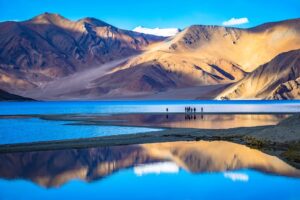

Nestled in the northernmost region of India, Ladakh is a land of stark contrasts and breathtaking beauty. Ladakh tourism has gained immense popularity among travelers seeking adventure, spirituality, and serenity. Known as the “Land of High Passes,” Ladakh offers rugged mountains, crystal‑clear lakes, ancient monasteries, and vibrant festivals. Its unique blend of Tibetan Buddhist culture and dramatic landscapes makes it one of India’s most captivating destinations.
Why Ladakh Tourism is Special
- Geographical Marvel: Located at altitudes ranging from 9,000 to 25,000 feet.
- Cultural Richness: Influenced by Tibetan Buddhism, with monasteries and festivals.
- Adventure Hub: Trekking, biking, rafting, and mountaineering.
- Natural Beauty: Lakes like Pangong and Tso Moriri, valleys like Nubra and Zanskar.
- Spiritual Serenity: Monasteries, meditation centers, and traditional rituals.
Top Tourist Places in Ladakh
Leh
- Capital of Ladakh and gateway to the region.
- Attractions: Leh Palace, Shanti Stupa, and bustling Leh Market.
- Ideal base for exploring surrounding valleys and monasteries.
Nubra Valley
- Famous for sand dunes and double‑humped Bactrian camels.
- Attractions: Diskit Monastery, Hunder village, and scenic Shyok River.
- Offers a unique blend of desert and mountain landscapes.
Pangong Lake
- Iconic high‑altitude lake located at 14,000 feet.
- Famous for its changing colors and cinematic appeal (featured in Bollywood films).
- Stretches across India and Tibet.
Tso Moriri Lake
- Located in Changthang region, at 15,000 feet.
- Less crowded than Pangong, offering tranquility.
- Surrounded by snow‑clad mountains and home to migratory birds.
Zanskar Valley
- Known for rugged terrain and adventure activities.
- Attractions: Frozen river trek (Chadar Trek), monasteries, and rafting.
- Offers raw, untouched beauty.
Magnetic Hill
- A gravity hill near Leh where vehicles appear to defy gravity.
- Popular stopover for tourists.
Monasteries of Ladakh
- Hemis Monastery: Largest and richest monastery, famous for Hemis Festival.
- Thiksey Monastery: Resembling Potala Palace in Lhasa.
- Lamayuru Monastery: Known as the “Moonland of Ladakh.”
- Diskit Monastery: Famous for its giant Maitreya Buddha statue.
Adventure Tourism in Ladakh
- Trekking: Chadar Trek, Markha Valley Trek, Stok Kangri climb.
- Motorbiking: Leh–Manali and Leh–Srinagar highways are popular routes.
- River Rafting: Indus and Zanskar rivers offer thrilling rapids.
- Mountaineering: Peaks like Nun Kun and Stok Kangri attract climbers.
- Camping: Lakes and valleys provide ideal camping spots.
Cultural Tourism in Ladakh
- Festivals: Hemis Festival, Losar (Tibetan New Year), and Ladakh Festival.
- Cuisine: Momos, thukpa, butter tea, and barley beer (chang).
- Handicrafts: Pashmina shawls, thangka paintings, and traditional jewelry.
- Villages: Authentic experiences in Alchi, Likir, and Turtuk.
Wildlife Tourism in Ladakh
- Hemis National Park: Largest national park in India, home to snow leopards.
- Bird Watching: Migratory birds at Tso Moriri and Pangong.
- Unique Species: Tibetan wild ass (kiang), marmots, and ibex.
Best Time to Visit Ladakh
- Summer (May–September): Ideal for sightseeing, trekking, and biking.
- Winter (October–March): Famous for Chadar Trek and snow‑covered landscapes.
- Monsoon (July–August): Minimal rainfall, but occasional roadblocks.
Accommodation Options
- Luxury Hotels: Premium stays in Leh and Nubra Valley.
- Mid‑Range Hotels: Comfortable accommodations with modern amenities.
- Homestays: Authentic Ladakhi hospitality in villages.
- Camping: Lakeside and valley camps for adventure lovers.
Travel Tips
- Permits: Required for Nubra Valley, Pangong Lake, and Tso Moriri.
- Health: Acclimatize properly to avoid altitude sickness.
- Clothing: Carry warm clothes, even in summer.
- Transport: Hire local taxis or rent bikes.
- Respect Local Culture: Follow monastery etiquette and eco‑tourism guidelines.
Benefits of Ladakh Tourism
- Adventure: Trekking, biking, rafting, and mountaineering.
- Spiritual Growth: Meditation and monastery visits.
- Cultural Immersion: Festivals, cuisine, and handicrafts.
- Eco‑Tourism: Support conservation and local communities.
- Memorable Experiences: From lakes to monasteries, deserts to mountains.
Challenges and Opportunities
- Challenges: Harsh weather, limited infrastructure, and seasonal accessibility.
- Opportunities: Promoting eco‑tourism, digital booking platforms, and highlighting lesser‑known attractions.
Conclusion
Ladakh is not just a destination—it is an experience of a lifetime. From the shimmering waters of Pangong Lake to the frozen trails of Zanskar, from the spiritual calm of Hemis Monastery to the thrill of biking across high passes, Ladakh tourism offers a kaleidoscope of adventures and cultural encounters. Whether you are an adventurer, a spiritual seeker, or a cultural explorer, Ladakh promises memories that last forever. Truly, it remains one of India’s most captivating destinations, blending rugged landscapes, vibrant traditions, and spiritual serenity in perfect harmony.