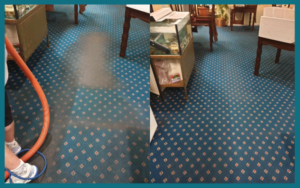

Not all carpet cleaning achieves equal results; in fact, the specific method used matters just as much as the effort applied. Professional carpet cleaning companies don’t use a one-size-fits-all approach. Instead, they carefully select techniques based on several factors, including the specific carpet fibre type, the level of deep-seated soiling, strict drying time requirements, and the unique needs of the customer. Understanding these various methods helps homeowners and commercial property owners make informed decisions when booking services and helps set realistic expectations for the final outcome.
Here’s a breakdown of what distinguishes the main professional carpet cleaning approaches used across residential and commercial settings today.
Most Common Professional Carpet Cleaning Techniques
Hot Water Extraction (Steam Cleaning)
Hot water extraction remains the gold standard for deep carpet cleaning. Despite its common name, steam cleaning actually uses hot water rather than steam. The process begins with pre-treatment of stains and high-traffic areas. Heated water mixed with cleaning solution then injects deep into carpet fibres under pressure. Powerful extraction immediately removes the water along with dissolved dirt, allergens, and contaminants.
This method reaches the carpet backing where dirt accumulates heaviest. Most carpet manufacturers recommend hot water extraction for warranty compliance. Professional carpet cleaning company equipment generates significantly more pressure and extraction power than rental machines, explaining the superior results professionals achieve. Drying time can vary depending on ventilation and humidity.
Dry Carpet Cleaning
Dry cleaning methods use minimal moisture, making them ideal where quick drying is essential. The process applies specialised cleaning compounds or powders containing cleaning agents, solvents, and absorbent materials. These compounds attract and absorb soil from carpet fibres. After brief dwelling time, vacuuming removes the compound along with attached dirt.
Dry cleaning suits commercial environments requiring rapid return to service. Carpets are typically walkable within an hour. However, this method doesn’t achieve quite the same level of deep cleaning that hot water extraction provides. It works best for maintenance cleaning between deeper professional treatments rather than as a standalone deep cleaning solution.
Encapsulation Cleaning
Encapsulation represents a newer technology gaining popularity in commercial settings. Synthetic detergents crystallise into powder form as they dry. These particles then encapsulate dirt within carpet fibres. Regular vacuuming follows to remove the crystallised residue along with trapped soil. The process uses less water than traditional extraction and has the benefit of drying quickly.
Professional carpet cleaning using encapsulation leaves no sticky residue that attracts future soiling. This makes carpets stay cleaner longer between treatments. This particular method suits low-pile commercial carpets excellently but it should be noted that it mightn’t address heavy soiling or deep contamination as effectively as hot water extraction.
Bonnet Cleaning
Bonnet cleaning uses a rotating pad soaked in cleaning solution to absorb dirt from carpet surfaces. A floor machine spins the bonnet across the carpet, with the absorbent pad picking up soil on contact. When one side becomes soiled, technicians flip or replace the bonnet and continue.
This method cleans carpet surfaces effectively and dries quickly. Hotels and commercial facilities often use bonnet cleaning for rapid maintenance between deeper treatments. The technique addresses surface soiling but doesn’t extract dirt from deep within carpet fibres. Some professionals consider it a surface cleaning method rather than true deep cleaning. Not all carpet cleaning services offer this technique, so do ask around if you want bonnet cleaning specifically.
Carpet Shampooing
Once the dominant professional carpet cleaning method, shampooing has declined in popularity but it still remains a useful option for certain applications. Rotary machines work foamy shampoo into carpet fibres, loosening embedded dirt. After drying, vacuuming removes dried shampoo residue and attached soil.
Modern formulations reduce the sticky residue issues that plagued earlier shampoo products. However, this method does still leave more residue than extraction or encapsulation, and this residue can attract fresh soil, causing carpets to re-soil faster. Most professional carpet cleaning company operations reserve shampooing for heavily soiled carpets requiring aggressive cleaning.
Foam Cleaning
Foam cleaning combines elements of shampooing and dry cleaning. Technicians apply foam containing minimal water to carpets using specialised equipment. The foam penetrates fibres, suspending dirt particles. After brief dwelling, extraction or vacuuming removes the foam along with suspended soil. Drying times fall between wet and dry methods.
Conclusion
While professional carpet cleaners usually have a preferred and proven cleaning method, many can incorporate multiple methods suited to different situations. Hot water extraction delivers the deepest clean for residential and heavily soiled commercial carpets. Dry methods and encapsulation suit commercial environments prioritising minimal downtime. Bonnet cleaning maintains appearance between deeper treatments. Understanding these options enables informed discussions with your professional carpet cleaning company about which approach best serves your specific needs. Contact local certified carpet cleaning professionals on the Sunshine Coast, like Brightaire Property Services, to assess your carpets and recommend appropriate treatment methods.