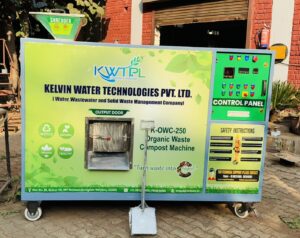

Waste management has become one of the most critical challenges in today’s rapidly urbanizing and industrializing world. With rising population levels, expanding industries, and changing consumption patterns, the volume of waste generated every day is increasing at an alarming rate. Effective waste management is essential not only for maintaining cleanliness but also for protecting the environment, conserving natural resources, and ensuring public health.
What Is Waste Management?
Waste management refers to the systematic process of collecting, segregating, transporting, treating, recycling, and disposing of waste materials in a safe and environmentally responsible manner. It includes the management of solid waste, liquid waste, organic waste, hazardous waste, biomedical waste, and electronic waste.
The main objective of waste management is to minimize the negative impact of waste on human health and the environment while maximizing resource recovery through recycling and reuse.
Why Is Proper Waste Management Important?
Improper waste disposal leads to severe environmental and health hazards. Open dumping and landfilling can contaminate soil and groundwater, release toxic gases, and spread diseases. Effective waste management offers several benefits:
- Environmental protection by reducing pollution of air, water, and soil
- Public health safety by preventing the spread of infections and diseases
- Resource conservation through recycling and reuse of materials
- Economic benefits by creating employment opportunities
- Compliance with environmental regulations
What Are the Main Types of Waste?
Understanding waste types is essential for effective management:
- Municipal Solid Waste
Includes household garbage, food waste, paper, plastics, glass, and metals generated from homes, offices, and commercial areas.
- Organic Waste
Consists of biodegradable waste such as food scraps, garden waste, and agricultural residue. This waste can be converted into compost or biogas.
- Industrial Waste
Generated by manufacturing and industrial processes, including chemicals, scrap materials, and wastewater sludge.
- Biomedical Waste
Produced by hospitals and healthcare facilities, such as syringes, bandages, and medical disposables. This waste requires special handling.
- Hazardous Waste
Contains toxic, flammable, corrosive, or reactive substances that pose serious risks to health and the environment.
- E-Waste
Includes discarded electronic devices such as computers, mobile phones, and batteries.
How Does the Waste Management Process Work?
Waste management follows a structured approach:
Waste Collection
Waste is collected from households, commercial establishments, and industries using bins and collection vehicles.
Segregation at Source
Waste is separated into categories like wet waste, dry waste, and hazardous waste to enable proper treatment and recycling.
Transportation
Collected waste is transported to treatment facilities or recycling centers.
Treatment and Processing
Waste undergoes processes such as composting, recycling, incineration, or biological treatment depending on its nature.
Final Disposal
Non-recyclable and residual waste is safely disposed of in sanitary landfills.
What Is the Role of Recycling in Waste Management?
Recycling is a crucial component of modern waste management systems. It involves converting waste materials into reusable raw materials. Recycling helps:
- Reduce landfill burden
- Save energy and natural resources
- Lower greenhouse gas emissions
- Promote a circular economy
How Organic Waste Management Supports Sustainability?
Organic waste makes up a large portion of total waste generation. Managing it efficiently can significantly reduce environmental impact. Common methods include:
- Composting: Converts organic waste into nutrient-rich manure
- Biogas Plants: Produce renewable energy from food and agricultural waste
- Organic Waste Composters: Suitable for societies, hotels, and institutions
What Are the Challenges in Waste Management?
Despite technological advancements, waste management faces several challenges:
- Lack of waste segregation at source
- Insufficient infrastructure and treatment facilities
- High operational and maintenance costs
- Public awareness and behavioural issues
- Improper handling of hazardous waste
What Is the Role of Technology in Modern Waste Management?
Advanced technologies have transformed waste management practices. Some key innovations include:
- Automatic baling press machines for compacting recyclable waste
- Shredders and compactors for volume reduction
- Waste-to-energy plants for power generation
- Smart waste monitoring systems for efficient collection
- Advanced composting machines for organic waste treatment
How Do Waste Management Regulations Help the Environment?
Governments enforce waste management rules to ensure safe handling and disposal. In India, regulations include:
- Solid Waste Management Rules
- Plastic Waste Management Rules
- Biomedical Waste Management Rules
- E-Waste Management Rules
How Can Businesses and Individuals Contribute?
Waste management is a shared responsibility. Everyone can play a role:
For Individuals:
- Segregate waste at home
- Reduce single-use plastics
- Compost kitchen waste
- Recycle responsibly
Why Is Waste Management Essential for the Future?
As cities grow and resources become scarce, sustainable waste management is no longer optional—it is a necessity. Efficient waste management reduces environmental damage, conserves resources, and supports a cleaner and healthier planet.
By adopting modern waste management systems, encouraging recycling, and embracing sustainable practices, societies can move towards a zero-waste future.
Conclusion
Waste management plays a vital role in maintaining environmental balance, protecting public health, and supporting sustainable development. From segregation and recycling to advanced treatment technologies, every step in waste management contributes to a cleaner future.
With increasing waste generation, adopting efficient waste management solutions is essential for households, industries, and governments alike. Companies like Kelvin Water Technologies continue to lead the way by providing reliable and eco-friendly waste management systems that help build a sustainable tomorrow.