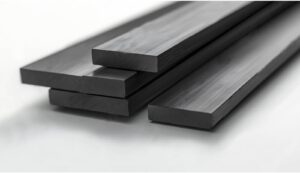

Flat bars are some of the most versatile steel materials used in construction, metal fabrication, manufacturing, and general repair work across the country. Whether you’re in Dar es Salaam, Arusha, Mwanza, Morogoro, or any other industrial hub, you’ll find these bars being used to build gates, frames, platforms, support structures, and custom metal components. Because of their strength and flexibility, they are a go-to choice for many workshops and contractors. However, to get the best results when working with flat bars in Tanzania, it’s important to follow proper cutting and welding techniques. Good workmanship not only improves the quality of your project but also ensures the finished structure lasts longer and remains safe.
Start With the Right Tools and Equipment
The first step in achieving clean cuts and strong welds is choosing the correct tools. Not all cutting tools work the same, and using the wrong one can lead to uneven edges, overheating, or even material waste.
Common cutting tools used in Tanzanian workshops include:
-
Angle grinders – great for quick cuts and on-site adjustments.
-
Band saws – ideal for precision work and smooth edges.
-
Chop saws – good for repetitive cutting of multiple bars.
-
Oxy-fuel cutters – suitable for thick flat bars where high heat is needed.
Each option has its advantages. For example, band saws produce cleaner cuts with less finishing needed afterward, while angle grinders provide flexibility, especially in remote job sites where heavy equipment isn’t available.
For welding, the most used methods are Stick Welding (SMAW), MIG, and TIG. The choice depends on material thickness, the environment you’re working in, and the level of accuracy required.
No matter which method you choose, always make sure your equipment is in good working condition. Sharp blades, serviced welding machines, and clean cutting discs contribute to better results and safer working conditions.
Accurate Measuring and Marking Matter More Than You Think
In many workshops, cutting mistakes happen not because of poor technique but because of rushed or inaccurate measuring. Before you make any cut, carefully measure and mark your flat bar using a steel ruler, tape measure, or a scribing tool.
A few best practices:
-
Measure twice to avoid mistakes.
-
Use clear, visible lines that won’t rub off.
-
Mark both the top and side of the bar for consistent alignment.
-
Use a square tool to ensure straight edges.
These small habits save time and reduce material waste—something that is especially important when handling large orders or working on projects that require dozens of flat bars cut to precise lengths.
Techniques for Cutting Flat Bars Cleanly
After marking your material, secure the flat bar properly before cutting. Clamps or a heavy-duty vice help keep the bar steady, preventing it from shifting.
When cutting:
-
Let the tool do the work rather than applying too much pressure.
-
Keep a steady, controlled speed for even results.
-
Avoid overheating the metal, which can cause warping.
-
Wear protective gear to shield yourself from sparks and debris.
Once the cut is done, smooth the edges using a grinder or metal file. Clean, even edges are important because they make welding easier and help create stronger joints.
Preparing Flat Bars for Welding
Good welding starts with good preparation. Flat bars often come with oils, rust, dust, or industrial coatings that can disrupt the welding process. Cleaning the surface ensures proper heat penetration and prevents issues such as porosity and weak welds.
For preparation:
-
Use a wire brush or grinder to remove rust and paint.
-
Wipe surfaces clean with a cloth if oil or grease is present.
-
Make sure the edges you’re joining fit well with minimal gaps.
Taking time to prepare your material leads to stronger, cleaner welds—especially important for structural applications.
Choosing the Right Welding Method
Different welding methods are suitable for different jobs:
Stick Welding (SMAW)
One of the most common methods in Tanzania, especially for outdoor or heavy-duty work. It’s reliable even in windy or dusty environments.
MIG Welding
Ideal for cleaner and faster welds, especially when working indoors. It provides a smoother finish and is easier for beginners to learn.
TIG Welding
Perfect for projects that require precision and a clean appearance. It works well on thinner flat bars but requires more skill and patience.
For thicker flat bars, preheating the metal slightly can help reduce cracking and ensure the weld penetrates properly.
Safety Should Always Be a Priority
Cutting and welding involves heat, sparks, sharp edges, and heavy tools. To stay safe, always wear proper protective gear such as gloves, safety goggles, welding helmets, masks, and sturdy footwear.
Good shop ventilation is also important, especially when welding, as fumes can be harmful. Work in an open area or ensure your workshop has proper airflow.
Following safety guidelines keeps workers protected and prevents accidents that may disrupt project timelines.
Final Thoughts
Working with Flat Bars Tanzania requires attention to detail, the right tools, and proper technique. Whether you’re cutting, welding, or preparing materials for a larger fabrication project, good practices help you achieve strong, clean, and long-lasting results. By being patient, precise, and safety-conscious, you can ensure that your finished product meets high-quality standards and performs reliably in real-world conditions.