
In a city like Phoenix, where high temperatures and dry conditions are common, fire safety is something every property owner needs to take seriously. Whether you are responsible for a home or a commercial building, having a fire system in place is only the first step. The more important question is: Is that system actually ready to respond when it’s needed?
Here is a simple and practical checklist to help make sure your fire system is working correctly and fully prepared for an emergency.
1. Check That Your Fire Alarm System is Fully Functional
Start with the basics. When was the last time your fire alarm system was tested?
You should regularly:
- Test all alarm components (horns, strobes, panels)
- Check for error messages or low battery alerts
- Make sure all zones are reporting correctly
If your building uses a monitored system, ensure that the alarm is properly connected to the monitoring center. This is crucial so emergency services are alerted immediately during a fire.
2. Inspect Smoke and Heat Detectors
Smoke detectors and heat detectors are your first line of defense. If they aren’t working properly, a fire can spread before anyone is alerted.
Make sure to:
- Check that detectors are installed in the correct locations
- Clean sensors to remove dust or debris
- Replace batteries as needed (if not hardwired)
- Replace any unit older than 10 years
In some Phoenix buildings, detectors are linked to a control panel. Ensure each one is communicating with the system.
3. Verify Sprinkler Systems Are in Working Condition
Automatic fire sprinklers can stop a fire before it gets out of control. But only if they are working.
Things to check:
- Inspect for any corrosion or leaks
- Make sure control valves are open and accessible
- Ensure there’s no storage blocking sprinkler heads
- Confirm water supply and pressure are adequate
If your system includes dry-pipe or pre-action sprinklers, make sure air pressure levels are correct and monitored.
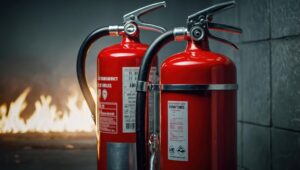
4. Check Fire Extinguishers
Fire extinguishers are important for tackling small fires before they grow. Every building should have them placed in easily accessible spots.
Review this checklist:
- Confirm extinguishers are in the right locations and clearly marked
- Check the pressure gauge (needle should be in the green)
- Make sure inspection tags are current
- Look for visible damage or rust
- Ensure employees or residents know how to use them
In commercial settings, extinguishers should be inspected monthly and serviced annually by a licensed technician.
5. Inspect Emergency Lighting and Exit Signs
During a fire, visibility can drop quickly. Emergency lighting and exit signs help people find their way out safely.
Make sure:
- Exit signs are clearly lit and visible
- Backup batteries are working (test regularly)
- Emergency lights turn on during a power cut
- Pathways to exits are clear of obstacles
This is especially important in larger buildings like apartment complexes, schools, offices, and warehouses.
6. Ensure Fire System Monitoring Is Active
Many Phoenix fire systems include 24/7 monitoring services. This means if an alarm goes off, emergency responders are automatically contacted.
Double-check:
- Monitoring is set up and active
- Contact information is up to date
- All devices are reporting to the central system correctly
- Test the communication between the panel and the monitoring center
A system that isn’t monitored may delay response times in a real emergency.
7. Review Your Fire Safety Plan
Even with all the right equipment, people still need to know what to do in an emergency.
Take time to:
- Review your evacuation plan with staff or residents
- Post clear evacuation maps in common areas
- Assign roles like fire wardens or emergency leads
- Practice fire drills at least once a year
A fire plan should also include contact numbers for fire services, instructions for shutting off gas or electrical systems if safe to do so, and guidance on using fire extinguishers.
8. Schedule Professional Inspections
While you can do some checks on your own, professional inspections are critical. Trained technicians can identify issues you might miss, especially in more complex systems.
In Phoenix, most commercial properties are required to have annual fire system inspections by licensed providers. This includes checking control panels, testing communication lines, and verifying that everything meets local fire codes.
Final Tip: Don’t Wait Until There’s a Problem
It’s easy to overlook fire safety until something goes wrong. But when it comes to protecting lives and property, being proactive makes all the difference. Use this checklist as a guide to make sure your fire system is prepared for anything. Whether you are managing a business, overseeing a multi-unit residential building, or just looking after your home, staying prepared is the key.
If you are looking for help with Phoenix fire systems, Sting Alarm is a trusted local provider with over two decades of experience in fire protection and monitoring. They offer professionally installed systems, ongoing support, and licensed inspections to help meet safety requirements and compliance standards.
Contact their team to learn more about how they can support your fire safety needs.