
Limb Lengthening Surgery in India: Procedure, Benefits, Risks, and Recovery
Limb lengthening surgery is a specialized orthopedic procedure that may help selected patients who have a difference in limb length or certain conditions affecting bone growth. It requires careful planning, regular medical monitoring, and a structured rehabilitation program. Anyone considering this treatment should understand how it works, who may benefit, what recovery involves, and which questions to ask an orthopedic specialist.
What Is Limb Lengthening Surgery?
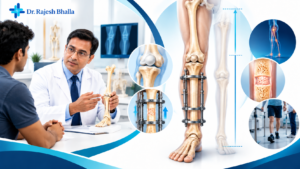
Limb lengthening surgery is a procedure in which a bone is gradually lengthened using a surgical technique and a suitable internal or external device. In many cases, the bone is carefully divided during surgery, and the device allows the bone ends to move apart in small, controlled increments. New bone tissue develops in the space as the body heals. The surrounding muscles, nerves, blood vessels, and joints also need time to adapt, which is why follow-up and physiotherapy are important parts of care.
The exact method depends on the patient’s condition, bone anatomy, treatment goals, and the surgeon’s assessment. There is no single approach that is suitable for everyone.
Who May Be Considered for Treatment?
An orthopedic specialist may assess limb lengthening for people with a significant difference in leg length, some congenital conditions, certain growth-related problems, or shortening that follows an injury or illness. In selected cases, reconstruction may involve correcting a bone deformity as well as addressing length.
A consultation should include a review of medical history, a physical examination, and appropriate imaging. The specialist may assess limb alignment, joint movement, bone quality, general health, and how the difference affects walking or everyday activities. Children and adolescents require particular consideration because they may still be growing.
The benefits, limitations, and alternatives should be discussed before a treatment decision is made. Limb lengthening is a major commitment and is not appropriate for every patient.
How Is Limb Lengthening Surgery Planned?
Planning usually begins with a detailed orthopedic evaluation. The care team identifies the cause and extent of the limb-length difference and determines whether surgery is likely to help. Imaging studies may be used to measure bone length and evaluate alignment. The specialist also discusses the expected treatment stages, possible complications, rehabilitation needs, and follow-up schedule.
Patients should ask which technique is recommended and why, how long each stage may take, what support will be needed at home, and how progress will be monitored. They should also clarify the likely costs, including surgery, devices, hospital care, imaging, physiotherapy, and follow-up visits.
What Happens During Recovery?
Recovery varies from one patient to another. Depending on the technique, the process may include a gradual lengthening phase followed by a consolidation phase, when the new bone becomes stronger. Regular appointments and imaging help the care team check bone formation, limb alignment, and joint function.
Physiotherapy may help maintain joint movement, muscle flexibility, strength, and safe mobility. Patients must follow the treating team’s instructions about weight-bearing, exercises, wound or device care, and daily activities. Trying to progress faster than advised can create problems, so treatment should follow the individualized plan.
Recovery can take months, and the total timeline depends on the amount of lengthening, the bone involved, the technique, and the person’s healing response. The treating specialist is best placed to explain a realistic timeline for an individual case.
Possible Risks and Complications
As with other major operations, limb lengthening surgery has potential risks. These may include infection, delayed or poor bone healing, joint stiffness, muscle tightness, nerve or blood vessel problems, changes in alignment, pain, and difficulties with the device. Some patients may need additional treatment or another procedure.
Understanding these possibilities does not mean that complications will occur, but patients should receive clear information before consenting to surgery. Contact the medical team promptly if there are concerning changes such as fever, increasing redness or discharge around a wound or pin site, sudden worsening pain, new numbness, or a major change in movement. Follow the specific emergency instructions provided by the treating team.
Choosing an Orthopedic Specialist in India
When exploring limb lengthening surgery in India, focus on appropriate training and experience, a clear explanation of the proposed technique, access to imaging and rehabilitation, and a reliable follow-up plan. Ask who will coordinate physiotherapy and how complications will be assessed if they arise. It is reasonable to seek a second opinion when you need more clarity about the expected benefits, risks, or alternatives.
Avoid choosing a treatment solely on the basis of a promotional claim or a guaranteed result. Outcomes depend on individual health factors and the reason for treatment. A responsible specialist should explain both the potential advantages and the limitations of surgery.
Questions to Ask at Your Consultation
Before making a decision, consider asking:
-
What is causing the limb-length difference or bone problem?
-
Is surgery necessary, or are non-surgical options appropriate?
-
Which procedure do you recommend for my situation, and why?
-
What benefits can reasonably be expected?
-
What complications should I understand?
-
How often will appointments and imaging be required?
-
What will rehabilitation involve, and how much help might I need at home?
-
What is included in the estimated cost?
-
What symptoms should prompt an urgent call or visit?
The answers should be specific to your medical history and treatment plan.
The Importance of Individualized Care
Limb lengthening is not simply a matter of increasing bone length. Safe treatment also considers alignment, joint movement, muscle flexibility, nerve function, bone healing, and the patient’s ability to participate in rehabilitation. Consistent follow-up helps the clinical team identify concerns and adjust care when needed.
For patient-focused information about limb lengthening surgery in India, visit:
https://drrajeshbhalla.com/limb-lengthening-surgery-india/
Use the information as a starting point for discussion with a qualified orthopedic professional. An online article cannot determine whether a particular person is a suitable candidate or predict an individual result.
Conclusion
Limb lengthening surgery may be an option for selected patients with limb-length differences or certain bone conditions, but it requires careful assessment, realistic expectations, and sustained rehabilitation. Before proceeding, understand the proposed method, recovery commitments, potential complications, alternatives, and follow-up arrangements. A detailed consultation with an experienced orthopedic team can help you make an informed decision based on your needs.
Medical disclaimer: This article is for general educational purposes only and is not a substitute for diagnosis or personalized medical advice.