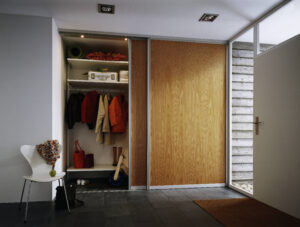

A bedroom can look calm and still feel chaotic if the wardrobe does not work. Clothes spill out, shelves sit too high to reach, drawers jam and the doors never quite match the rest of the room. The fix rarely means buying more storage. It means planning the storage you already have so that every shirt, saree, shoe and suitcase has a proper place. This guide walks through the key decisions, from taking stock of your belongings to choosing doors, finishes and fittings, so that your wardrobe works as hard as it looks good.
Start by Taking Stock
Before you think about shutters or colours, look at what you actually own. Pull everything out once and sort it into groups.
Hanging items
Count long garments such as dresses, sarees on hangers, kurtas and coats, and short garments such as shirts and tops. The balance between them decides how much long hanging and short hanging space you need.
Folded items
Trousers, T-shirts, sweaters, bedding and towels need shelves or drawers. Fold a few items the way you normally do to see how deep and tall each shelf should be.
Small items
Innerwear, socks, belts, ties, jewellery and watches are easy to lose. Plan shallow drawers and organisers for them.
Bulky items
Suitcases, quilts and off-season clothing are best stored in a loft above eye level, since you use them rarely.
Plan the Interior Before the Doors
The inside of a wardrobe matters far more than the outside. This is where a thoughtful modular wardrobe design helps. Instead of one big empty box, the interior is divided into zones that match how you live.
Hanging space
Long hanging suits dresses, kurtas and coats, while short hanging fits shirts and tops. Placing two short rods one above the other doubles the capacity for shirts.
Drawers and shelves
Drawers keep small items tidy and visible, and shelves hold folded stacks without toppling. Keep shelf heights adjustable so you can change them later.
Pull-outs and accessories
A pull-out for ties and belts, a shoe rack, a trouser hanger and a locker for documents and jewellery make daily use easier.
Zones by frequency
Put everyday clothes between waist and shoulder height. Store occasional items higher or lower, and use the loft for seasonal things.
Choose the Door Style
Doors shape both the look and the usability of a wardrobe.
Hinged shutters
Hinged doors give full access to the interior and suit rooms with clear floor space. They are simple, reliable and easy to repair.
Sliding doors
Sliding doors suit narrow rooms because they need no swing clearance. They also look neat, though you can only open part of the wardrobe at a time.
Mirrors and glass
A mirrored panel on one shutter adds light and saves buying a separate mirror. Glass or tinted panels can add style, but they show fingerprints more.
Materials and Finishes
Choose materials that handle humidity and daily use.
Boards
Moisture-resistant plywood or good-quality engineered boards last longer than low-grade alternatives. Sealed edges stop moisture from creeping in.
Shutter finishes
Laminates are durable and easy to clean. Veneers and wood-grain textures add warmth. Matte finishes hide fingerprints, while glossy ones bounce more light around.
Colour choices
Soft neutrals and wood tones keep a bedroom restful. Dark colours look striking but make small rooms feel smaller.
Smart Details That Make a Difference
Small touches are often what people appreciate most after a few months.
Internal lighting
An internal light that switches on when the door opens helps you find items in the dark corners of a deep wardrobe.
Soft-close hardware
Soft-close hinges and drawer channels stop slamming and last longer.
Ventilation
A few small vents or a gap at the base helps air move and keeps clothes fresh.
Measure With Care
Leave space for the bed, walkways and door swings. Measure the wall at several heights, note sockets and switches, and check whether the ceiling is even. A good wardrobe fits the room instead of fighting it, and exact measurements are the foundation of that fit.
Set a Budget That Makes Sense
Spend more on parts you use every day, such as hinges, drawer channels and the main hanging section. Save on rarely used areas such as the top loft. Comparing quotes is easier when each lists the same items: boards, shutters, hardware, accessories and installation.
Keep It Looking Good
Wipe surfaces with a soft dry or slightly damp cloth, avoid harsh cleaners and check hinges now and then. Keep a few silica packets or natural fresheners inside during humid months.
Conclusion
A well-planned wardrobe makes mornings easier and keeps a bedroom looking calm. Start with your belongings, plan the interior, choose the right doors and invest in good hardware. Saviesa creates bespoke wardrobes with premium finishes and custom storage.