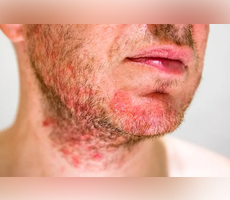

Seborrheic keratosis is a common, non-cancerous skin growth that often appears as people get older. These growths may look brown, black, tan or light-coloured, and they can have a rough, waxy or slightly raised surface. Although seborrheic keratosis is generally harmless, its appearance can cause concern, especially when a growth develops quickly, becomes irritated or resembles another skin condition. Learning the most important Facts About Seborrheic Keratosis Remedies can help you make informed decisions about skin care, treatment options and when to seek medical advice.
Many people look for simple home treatments or natural ingredients to improve the appearance of these growths. However, not every remedy advertised online is safe or effective. Some approaches may soothe surrounding skin, while others can cause irritation, burns or infection without removing the growth. This guide explains seven important facts about seborrheic keratosis remedies, including professional treatments, natural approaches, common misconceptions and practical skin-care advice.
1. Seborrheic Keratosis Is Usually Harmless, but Correct Diagnosis Matters
The first of the important Facts About Seborrheic Keratosis Remedies is that treatment should begin with an accurate diagnosis. Seborrheic keratosis is a benign skin growth, meaning it is not skin cancer. It commonly appears on the chest, back, face, neck and other areas of the body, although it can develop in many places.
These growths often have a waxy, scaly or stuck-on appearance. Some are flat, while others become raised and rough. Their colour and size can vary, and a person may develop one growth or several over time.
Despite these typical features, seborrheic keratosis can sometimes resemble other skin conditions, including certain types of skin cancer. It is not always possible to identify a growth accurately by looking at a photograph or examining it at home.
When should you seek medical advice?
Arrange an appointment with a healthcare professional or dermatologist if a growth:
- Appears suddenly or changes rapidly.
- Develops irregular colours, borders or an unusual shape.
- Bleeds without an obvious cause.
- Becomes persistently painful or itchy.
- Looks different from your other skin growths.
- Does not match the typical appearance of seborrheic keratosis.
A dermatologist may examine the growth using a dermatoscope and recommend a biopsy if the diagnosis remains uncertain.
Do not attempt to remove an undiagnosed growth with home remedies. Confirming what the growth is can prevent unnecessary skin damage and help ensure that a potentially serious condition is not overlooked.
2. Natural Remedies for Seborrheic Keratosis May Not Remove the Growth
Another essential fact is that natural ingredients do not automatically provide an effective treatment for seborrheic keratosis. Many websites promote oils, herbal preparations, plant extracts and other home remedies as ways to remove these growths. However, there is limited reliable clinical evidence that natural remedies can safely and consistently eliminate seborrheic keratosis.
The phrase Natural Remedies for Seborrheic Keratosis can refer to a wide range of approaches, from gentle moisturising products to concentrated herbal mixtures. It is important to distinguish between products that support general skin comfort and treatments that actually remove a growth.
What can natural skin-care ingredients do?
A gentle, fragrance-free moisturiser may help reduce dryness and discomfort in the skin surrounding a growth. Ingredients such as glycerin and petroleum jelly can help retain moisture and support the skin barrier.
Some plant-derived ingredients are used in cosmetic products for their moisturising or soothing properties. However, their benefits for ordinary skin care should not be confused with proven treatment for seborrheic keratosis.
For example, aloe vera-containing moisturisers may feel soothing on some people’s skin, but this does not establish that aloe vera removes seborrheic keratosis.
Which home remedies should you avoid?
Avoid applying strong acids, caustic substances, concentrated essential oils or unregulated herbal mixtures to a growth. These products may irritate or burn the skin, cause scarring and increase the risk of infection.
Do not cut, scrape, burn or repeatedly pick at a growth yourself. Even if a home treatment damages the surface, it may not remove the growth completely.
If you prefer natural skin care, choose gentle products intended for external use and discuss treatment options with a qualified healthcare professional. The safest approach is to use natural ingredients for appropriate skin-care purposes rather than relying on them to remove a diagnosed growth.
3. Professional Treatments Can Remove Seborrheic Keratosis
One of the most useful Facts About Seborrheic Keratosis Remedies is that several established medical procedures can remove these growths when treatment is necessary. Although seborrheic keratosis does not usually require treatment, you may want removal if a growth catches on clothing, becomes irritated or causes cosmetic concern.
A dermatologist can recommend an appropriate procedure after examining the growth, taking account of its size, thickness, location and appearance.
Cryotherapy
Cryotherapy uses liquid nitrogen to freeze the growth. The treated area may develop a blister or crust before the growth gradually falls away.
This method is often suitable for smaller, thinner growths. Possible side effects include temporary discomfort, changes in skin colour and, less commonly, scarring.
Curettage
Curettage involves gently scraping the growth from the skin with a specialised instrument. A clinician may use a local anaesthetic, particularly for larger or more uncomfortable growths.
This procedure can be useful when a growth is raised or thick. The clinician may also arrange laboratory examination of the removed tissue if there is any concern about the diagnosis.
Electrosurgery
Electrosurgery uses electrical energy to destroy or remove the growth. It may be combined with curettage, depending on the clinical situation.
The procedure can cause temporary soreness and may leave a small scar or an area of altered pigmentation.
Laser treatment
In selected cases, a dermatologist may consider laser treatment. Its suitability depends on the growth and the individual’s skin characteristics.
Laser treatment is not necessary for most cases, and availability, cost and potential side effects vary.
Which treatment is best?
There is no single procedure that suits every person. A dermatologist can explain the expected results, healing time, risks and costs before treatment.
Professional removal may improve the appearance of a treated area, but it cannot prevent new seborrheic keratoses from developing elsewhere. If a growth has an unusual appearance, the clinician may also recommend a method that allows tissue to be examined rather than simply destroying it.
4. Not Every Seborrheic Keratosis Needs Treatment
A further important fact is that treatment is often optional. Seborrheic keratosis is generally benign, so many people can leave their growths alone without experiencing any health problems.
The decision to remove a growth usually depends on symptoms, diagnostic certainty and personal preference rather than a need to prevent cancer.
When leaving a growth alone makes sense
You may not need treatment if the growth:
- Has been assessed and confirmed as seborrheic keratosis.
- Does not cause pain, itching or repeated irritation.
- Does not interfere with clothing or everyday activities.
- Does not cause significant cosmetic concern.
Keeping the surrounding skin clean and moisturised may help reduce irritation. Avoid vigorous scrubbing, exfoliating directly over the growth or using harsh products in an attempt to flatten it.
When removal may be helpful
A dermatologist may recommend removal if a growth repeatedly catches on a collar, jewellery or other clothing. Removal may also be appropriate if it becomes persistently irritated or if you would prefer to have it removed for cosmetic reasons.
It is worth discussing the possible disadvantages before proceeding. Procedures can cause temporary discomfort, pigment changes, infection or scarring. Some treatments may also leave a lighter or darker mark that is more noticeable than the original growth.
The aim is to balance the expected benefit against these risks. If the growth is harmless and does not bother you, observation may be the simplest option.
5. Skincare Habits Can Support Healthy Skin but Cannot Guarantee Prevention
Good skin-care habits can help maintain the skin barrier and reduce irritation, but they should not be presented as a guaranteed way to prevent or cure seborrheic keratosis.
The condition becomes more common with age, and genetic factors may contribute to its development. Researchers have not established one simple lifestyle change that reliably prevents these growths.
Follow a gentle skincare routine
Use a mild cleanser and lukewarm water rather than harsh soaps or aggressive scrubs. Apply a suitable moisturiser when your skin feels dry, and avoid picking at raised areas.
If a growth becomes irritated by clothing, consider wearing softer fabrics or adjusting items that rub against it.
Protect your skin from excessive sun exposure
Sun protection is an important part of general skin health, even though it is not a proven way to prevent every seborrheic keratosis.
Consider the following habits:
- Apply broad-spectrum sunscreen with SPF 30 or higher to exposed skin.
- Wear protective clothing and a hat when spending time outdoors.
- Seek shade during periods of strong sunlight.
- Avoid tanning beds and deliberate tanning.
Sun protection helps reduce ultraviolet damage and lowers the risk of several forms of skin cancer. It does not guarantee that seborrheic keratosis will not develop.
Eat a balanced diet
A balanced diet provides nutrients that support normal skin function. Include a variety of vegetables, fruits, whole grains, protein sources and healthy fats.
Drink enough water to maintain hydration, particularly in hot weather. However, drinking extra water or taking vitamin supplements has not been shown to remove seborrheic keratosis.
These habits are worthwhile for overall health, but they should complement rather than replace appropriate medical assessment.
6. Herbal Care Products Should Be Evaluated Carefully
Many people explore herbal skin-care options because they prefer plant-based ingredients or want to avoid unnecessary procedures. Herbal Care Products may include moisturisers, oils, creams and botanical preparations. Their safety depends on the ingredients, concentration, manufacturing quality and intended use.
It is important to remember that a product labelled natural or herbal is not necessarily safe, clinically tested or effective for removing a skin growth.
Read product labels carefully
Before using a herbal product, check the ingredient list, directions, warnings and expiry date. Avoid products with unclear ingredients or unsupported claims that they can dissolve, burn away or permanently cure seborrheic keratosis.
Concentrated essential oils and strongly acidic botanical preparations can irritate the skin. Some plant ingredients can also trigger allergic reactions, particularly in people with sensitive skin.
Consider a patch test for ordinary skincare products
If you are trying a new cosmetic moisturiser, follow its instructions and consider testing a small amount on an area of healthy skin first. Stop using it if redness, swelling, burning or itching develops.
A patch test does not prove that a product is safe for treating a growth, and it should never be used to justify applying a potentially corrosive substance to the affected area.
Ask questions before purchasing
When evaluating herbal products, consider these questions:
- Are the ingredients and concentrations clearly listed?
- Does the manufacturer explain the product’s intended purpose?
- Is there reliable clinical evidence supporting the specific claim?
- Does the product carry appropriate safety information?
- Does the seller promise a guaranteed cure or immediate removal?
Be particularly cautious about before-and-after photographs and testimonials. They do not establish that a treatment is effective or safe.
If you are considering products from Herbal Care Products, review the product information carefully and seek professional advice before applying a preparation to a diagnosed growth. A herbal product should not replace a dermatologist’s assessment or a recommended removal procedure.
7. Recognising Warning Signs Helps You Choose the Right Treatment
The final of these seven Facts About Seborrheic Keratosis Remedies concerns knowing when a skin growth needs further examination.
Seborrheic keratosis can look unusual without being dangerous. However, appearance alone cannot always distinguish it from melanoma or other skin conditions. A growth that changes, bleeds or develops unexpected symptoms should not automatically be treated as an ordinary seborrheic keratosis.
Do not rely on home treatment to diagnose a growth
A growth may appear rough, dark or waxy and still require medical assessment. Similarly, a growth that responds to an acid or other product has not necessarily been diagnosed correctly.
Avoid experimenting with multiple treatments while waiting to see whether a suspicious growth disappears. Chemical irritation can alter its appearance and make assessment more difficult.
Understand what happens after professional removal
After a removal procedure, follow the clinician’s wound-care instructions. Depending on the method, you may need to keep the area clean, apply a recommended ointment or cover it with a dressing.
Do not pull off a scab or pick at a healing wound. Contact your healthcare professional if you develop increasing redness, warmth, swelling, worsening pain, pus or fever.
Some people develop additional seborrheic keratoses over time. This does not necessarily mean that the original treatment failed. A treated growth may also recur, depending on the procedure and circumstances.
Keep track of new or changing growths
You can periodically check your skin and note any growths that change in size, colour, shape or symptoms. Photographs taken at different times may help you notice changes, but they cannot confirm a diagnosis.
Seek prompt medical advice for a rapidly changing, bleeding or otherwise suspicious lesion. Early assessment is especially important when a growth does not look like your usual skin marks.
The safest treatment plan combines an accurate diagnosis, realistic expectations and appropriate follow-up. These steps help you avoid unnecessary skin damage while making informed decisions about your skin health.
Frequently Asked Questions About Seborrheic Keratosis Remedies
Can seborrheic keratosis disappear naturally?
Seborrheic keratoses usually remain unless they are removed. They may change in appearance over time, and new growths can develop as you age. Moisturisers may ease dryness or itching, but they do not reliably remove these growths.
What is the safest remedy for seborrheic keratosis?
The safest approach is to have the growth assessed by a healthcare professional before choosing a treatment. If removal is appropriate, a dermatologist can discuss cryotherapy, curettage or other suitable procedures. Avoid cutting, burning or applying harsh chemicals to the growth at home.
Do natural remedies remove seborrheic keratosis permanently?
There is insufficient reliable clinical evidence that herbal oils, plant extracts or other home remedies permanently remove seborrheic keratosis. Gentle skincare may help manage surrounding skin dryness, but professional assessment is the better option when removal is desired.
Can diet prevent seborrheic keratosis?
A balanced diet supports general health, but there is no established diet that prevents or removes seborrheic keratosis. Age and inherited factors are associated with the development of these growths, and new ones may appear despite healthy lifestyle habits.
Should I use herbal creams on a raised skin growth?
Do not apply an unverified herbal cream to a growth before confirming its identity. Products containing irritating ingredients can damage the skin and delay appropriate diagnosis. Ask a qualified healthcare professional whether a particular product is suitable for your circumstances.
Conclusion
Learning the key Facts About Seborrheic Keratosis Remedies helps you separate reliable treatment options from unsupported claims. These growths are generally harmless, and many do not require treatment. However, an accurate diagnosis remains important because some skin cancers can resemble seborrheic keratosis.
Professional treatments such as cryotherapy and curettage can remove troublesome growths, although they may cause temporary discomfort, scarring or changes in skin colour. Gentle moisturisers can help with dryness and irritation, but natural ingredients and herbal preparations should not be considered proven removal treatments.
If you are interested in Natural Remedies for Seborrheic Keratosis or products from Herbal Care Products, focus on ingredient safety, realistic claims and appropriate medical guidance. Avoid attempting to scrape, cut or burn a growth yourself.
The most important takeaway is simple: protect your skin, seek medical advice about unusual or changing growths, and choose treatments based on reliable evidence rather than promises of a quick cure. A careful, informed approach can help you maintain healthy skin and make decisions that suit your needs.