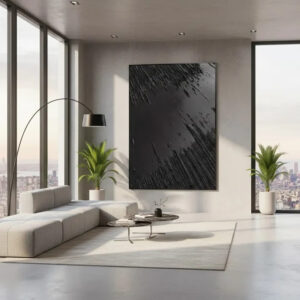

Modern interior design often focuses on clean spaces, neutral colors, functional furniture, and carefully selected décor. But when a room contains too many flat surfaces and minimal decoration, it can sometimes feel cold or unfinished.
Textured wall art offers a simple way to introduce depth and personality without filling the room with unnecessary objects. Raised surfaces, plaster details, sculptural patterns, and subtle variations can create visual interest while maintaining a sophisticated minimalist aesthetic.
From living rooms and bedrooms to offices and entryways, textured artwork can become an important design element without making a space feel crowded.
Why Are Modern Interiors Moving Toward Texture?
Modern homes increasingly combine simple forms with natural materials and tactile surfaces.
Wood, stone, linen, plaster, ceramics, and textured artwork can all introduce physical dimension to an otherwise clean interior.
Wall art is particularly useful because it adds texture without taking up floor space.
A single carefully selected artwork can transform a blank wall while maintaining the simplicity that modern interiors are known for.
10 Ways Textured Wall Art Can Transform a Room
1. It Adds Depth to Blank Walls
A completely empty wall can make a room feel unfinished.
Textured wall art provides another visual layer without requiring shelves, cabinets, or multiple decorative objects.
The raised surface catches light from different angles, creating subtle variations in appearance.
This can make an otherwise plain wall feel more dynamic.
2. It Creates a Subtle Focal Point
Every well-designed room benefits from a visual focal point.
Instead of using a brightly colored painting, you can use texture to attract attention.
A large neutral textured artwork can become the centerpiece of a living room while still maintaining a calm aesthetic.
This approach works particularly well in minimalist interiors where dramatic colors may not fit the overall design.
3. It Adds Visual Interest Without Bright Colors
Minimalist interiors frequently use neutral palettes.
While whites, creams, beige, gray, and natural tones can create a sophisticated atmosphere, too many flat neutral surfaces may lack dimension.
Textured artwork solves this problem by adding visual interest through surface variation instead of color.
This allows you to maintain a neutral palette while creating a more engaging interior.
4. It Works With Neutral Interiors
One of the biggest advantages of minimalist textured wall art is its ability to complement neutral furniture and walls.
For example, a white textured artwork can work with:
-
Cream sofas
-
Beige rugs
-
Natural wood furniture
-
Stone surfaces
-
Neutral curtains
-
Warm lighting
Instead of introducing a completely different color, the artwork adds depth through texture.
ArtiQuo’s textured wall art collection includes neutral and minimalist designs intended to work with modern interior styles. (artiquo.com)
5. It Complements Natural Materials
Modern interiors often combine several natural materials.
A room might include wooden furniture, linen upholstery, stone surfaces, woven rugs, and indoor plants.
Textured artwork can complement these materials by adding another tactile element.
Plaster-based artwork, for example, can create an organic appearance that works well alongside natural wood and earthy finishes.
This makes textured art particularly suitable for interiors influenced by minimalist, Japandi, organic modern, and Wabi-Sabi aesthetics.
6. It Creates Light and Shadow
Texture becomes especially interesting when light interacts with the artwork.
Raised surfaces create small shadows, highlights, and variations across the composition.
Natural daylight may make the artwork appear different in the morning compared with the afternoon.
At night, directional lighting can emphasize the relief and create a more dramatic appearance.
This changing relationship between light and texture is one of the defining characteristics of three-dimensional wall art.
7. It Makes Minimalist Rooms Feel Warmer
Minimalism can sometimes be interpreted as using completely plain surfaces and very few decorative elements.
However, modern minimalist design often focuses on creating warmth through materials and texture.
A textured artwork can introduce that warmth without compromising the uncluttered appearance of the room.
For example, a neutral plaster artwork above a wooden console can add character while maintaining a simple composition.
8. It Adds Character to Home Offices
Home offices often prioritize functionality.
Desks, chairs, computers, storage, and lighting can leave little room for decorative elements.
A single textured artwork can provide personality without taking up valuable floor or desk space.
Choose an artwork that complements the office’s color palette and avoids overly distracting patterns.
A subtle abstract texture can create a professional background for video calls while making the workspace feel more personal.
9. It Works in Different Interior Styles
Textured wall art isn’t limited to one decorating style.
It can work with:
Minimalist Interiors
Neutral colors and simple textures reinforce a clean aesthetic.
Japandi Interiors
Organic forms and earthy tones can complement the combination of Japanese and Scandinavian design principles.
Wabi-Sabi Interiors
Imperfect surfaces and handcrafted characteristics can complement the appreciation for natural variation.
Contemporary Interiors
Bold relief and modern compositions can create a sophisticated focal point.
Organic Modern Interiors
Natural materials and neutral textured artwork can reinforce a connection with nature.
ArtiQuo’s collection includes textured designs suitable for several of these modern interior aesthetics. (artiquo.com)
10. It Gives Large Walls a Finished Appearance
Large blank walls can be difficult to decorate.
Adding many small decorations can make the wall appear cluttered, while leaving it completely empty may make the room feel unfinished.
A large textured artwork or coordinated set can solve both problems.
Instead of covering the wall with numerous unrelated objects, one substantial piece can provide visual balance.
For example, a large textured artwork above a sofa can connect the wall to the furniture while creating a clear focal point.
How to Match Textured Art With Furniture
Consider the furniture already present in the room.
If your furniture has simple, straight lines, a more organic textured artwork can create contrast.
If the furniture has curves and sculptural shapes, consider artwork with complementary forms.
You should also consider scale.
A small artwork above a large sectional sofa may look disproportionate, while an oversized piece can provide stronger visual balance.
How Lighting Changes the Look of Textured Art
Lighting should be considered before installing textured artwork.
Natural light can reveal subtle surface variations, while wall-mounted or directional lighting can emphasize deeper textures.
If possible, experiment with different lighting positions before permanently installing the artwork.
The goal is to illuminate the texture without creating excessive glare or harsh shadows.
Neutral or Bold Textured Wall Art?
The right choice depends on your interior.
Choose Neutral Texture When:
-
Your room already has strong colors.
-
You prefer minimalist décor.
-
You want a calm atmosphere.
-
The artwork should complement rather than dominate the room.
Choose Bold Texture When:
-
The room has a simple color palette.
-
You need a strong focal point.
-
The wall is large and mostly empty.
-
You want the artwork to become a major design feature.
Both approaches can work as long as the artwork remains visually connected to the rest of the room.
One Statement Piece vs. Multiple Pieces
A single statement piece is often the simplest choice for a minimalist room.
It can provide enough visual interest without creating unnecessary decoration.
However, multiple coordinated artworks can work well on wider walls.
A set of three pieces, for example, can create symmetry while maintaining a cohesive appearance.
ArtiQuo offers both individual textured artworks and coordinated sets, giving homeowners flexibility when decorating different wall sizes. (artiquo.com)
Why Handcrafted Texture Adds Character
Mass-produced flat artwork can provide attractive imagery, but handcrafted textured pieces offer another dimension through their physical surface.
Small variations in texture, brushwork, plaster application, and finish can make an artwork feel more individual.
ArtiQuo highlights handcrafted techniques and natural variations in its textured plaster artwork, which can contribute to the distinctive appearance of each piece. (artiquo.com)
How to Avoid Clutter When Decorating With Texture
Texture should be balanced throughout the room.
If the furniture, rug, curtains, accessories, and artwork all feature strong patterns or heavy textures, the result can become visually overwhelming.
Instead, let one or two elements provide the main texture.
For example:
Simple furniture + neutral walls + one textured artwork + natural materials
This creates interest without sacrificing the clean appearance of a modern interior.
Choose Textured Wall Art for a More Refined Interior
Modern interiors don’t need dozens of decorative objects to feel complete.
A carefully selected piece of textured wall art can add depth, dimension, warmth, and personality while preserving a minimalist aesthetic.
Whether you are decorating a living room, bedroom, office, entryway, or large feature wall, texture provides an effective alternative to traditional flat décor.
If you’re looking for minimalist textured wall art, 3D plaster artwork, or modern textured wall décor, explore ArtiQuo’s Textured Wall Art & Minimalist Design collection for pieces created to add depth and character to contemporary interiors. (artiquo.com)