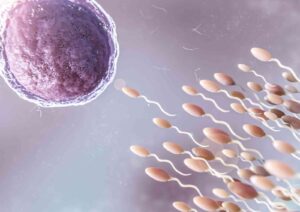

Male fertility doesn’t decline overnight. It erodes quietly — through habits so ordinary they barely register as risks.
That phone in your pocket, the protein bar you grab before the gym, the extra hour you skip sleeping — none of it feels connected to reproductive health. But research keeps pointing to the same conclusion: everyday routines are among the most overlooked causes of male infertility.
This isn’t about fear-mongering. It’s about awareness — because most of these habits are fixable once you know what to look for.
- Keeping Your Laptop on Your Lap
Heat is one of the fastest ways to damage sperm production. The testes sit outside the body for a reason — they need to stay a few degrees cooler than your core temperature.
- Laptops generate heat that gets trapped against the thighs and groin
- Just 1 hour of daily use can raise scrotal temperature measurably
- Studies have linked prolonged laptop use to reduced sperm motility
Fix it: Use a lap desk or table. It’s a small habit that removes a real, measurable risk.
- Carrying Your Phone in Your Front Pocket
This one sparks debate, but the evidence is worth taking seriously. Phones emit low levels of radiofrequency electromagnetic radiation (RF-EMR), and some studies suggest prolonged, close-proximity exposure may affect sperm quality over time.
The risk isn’t dramatic on its own. But combined with other habits on this list, it adds up.
Fix it: Keep your phone in a bag or jacket pocket instead of your trouser pocket during long stretches of the day.
- Sitting for 8+ Hours a Day
Desk jobs are unavoidable for most people. But prolonged sitting increases scrotal temperature and restricts blood flow to the pelvic region — two things sperm production doesn’t tolerate well.
- Poor circulation reduces oxygen and nutrient delivery to reproductive tissue
- Extended heat exposure from sitting mirrors the laptop problem
- Sedentary lifestyles are consistently associated with lower sperm counts in research
Fix it: Stand or walk for 5 minutes every hour. Small breaks make a measurable difference over weeks.
- Skimping on Sleep
Sleep is when testosterone production peaks. Cut your sleep short, and you cut into the hormonal window your body relies on for healthy sperm production.
Men who sleep less than 6 hours a night consistently show lower testosterone and poorer semen parameters compared to those getting 7-8 hours. This is one of the most under-discussed causes of male infertility — largely because sleep deprivation feels normal in a hustle-driven culture.
Fix it: Treat 7-8 hours of sleep as non-negotiable, not optional.
- Relying on Processed and Ultra-Packaged Foods
Diet directly shapes sperm quality — the raw materials your body uses to build healthy, motile sperm come from what you eat. Processed foods high in trans fats and sugar are linked to poorer semen parameters across multiple studies.
- Diets rich in antioxidants (zinc, folate, vitamin C) support sperm DNA integrity
- Trans fats found in packaged snacks correlate with lower sperm concentration
- Excess sugar intake is tied to reduced testosterone levels
Fix it: Build meals around whole foods — vegetables, lean protein, nuts, and healthy fats — most days of the week.
- Drinking Alcohol Regularly,Evenin “Moderate” Amounts
You don’t need to be a heavy drinker for alcohol to affect fertility. Regular consumption — even 5 or more drinks a week — has been linked to reduced sperm count and lower testosterone.
Alcohol also disrupts the liver’s ability to regulate hormones properly, which has a ripple effect on reproductive function.
Fix it: Cap intake and build in alcohol-free days each week. Your body needs recovery time, hormonally speaking.
- Vaping or Smoking
This one’s well-documented. Tobacco and nicotine — including vaping — introduce oxidative stress that damages sperm DNA directly.
- Smokers show significantly lower sperm counts than non-smokers
- Nicotine reduces blood flow, affecting erectile and reproductive function
- Vaping isn’t a “safer” alternative — early research shows similar oxidative damage
Fix it: Quitting remains the single most impactful change on this entire list.
- Overtraining Without Recovery
Exercise supports fertility — but only up to a point. Excessive, high-intensity training without adequate recovery can spike cortisol and suppress testosterone production.
Endurance athletes and men who overtrain frequently show lower sperm counts than moderately active men. The body treats extreme physical stress as a signal to deprioritize reproduction.
Fix it: Balance intense training with rest days and prioritize recovery as part of your routine, not an afterthought.
- Chronic, Unmanaged Stress
Stress hormones and reproductive hormones share the same regulatory pathways. When cortisol stays elevated for weeks or months, testosterone production takes the hit.
This is one of the quieter causes of male infertility — men rarely connect a stressful year at work to changes in semen quality, but the biological link is well-established.
Fix it: Build in deliberate stress management — this could be structured downtime, therapy, exercise, or simply protecting your sleep and boundaries.
- Ignoring Environmental Toxin Exposure
Plastics, pesticides, and certain industrial chemicals contain endocrine disruptors — compounds that interfere with hormone signaling. BPA, found in many plastic containers, is one of the most studied.
- Regularly microwaving food in plastic containers increases BPA exposure
- Pesticide residue on unwashed produce has been linked to lower sperm concentration
- Certain personal care products contain phthalates, another disruptor class
Fix it: Switch to glass or stainless steel containers, and wash produce thoroughly. Small substitutions reduce cumulative exposure over time.
The Bigger Picture on Male Fertility
None of these habits alone will necessarily cause infertility. But male fertility is cumulative — it responds to patterns, not isolated incidents.
The good news: nearly every habit on this list is reversible. Sperm regenerates roughly every 3 months, which means the changes you make today can show measurable results within a single cycle.
If you’ve been trying to conceive without success, or you’re simply proactive about long-term reproductive health, understanding the causes of male infertility rooted in daily life is the first real step forward.
Ready to get clarity on your reproductive health? A simple semen analysis can tell you more in one test than months of guessing. Book a consultation with a fertility specialist today and take the uncertainty out of your next chapter.